Korea Entry Ban & Travel Restriction Lift Strategic Practice
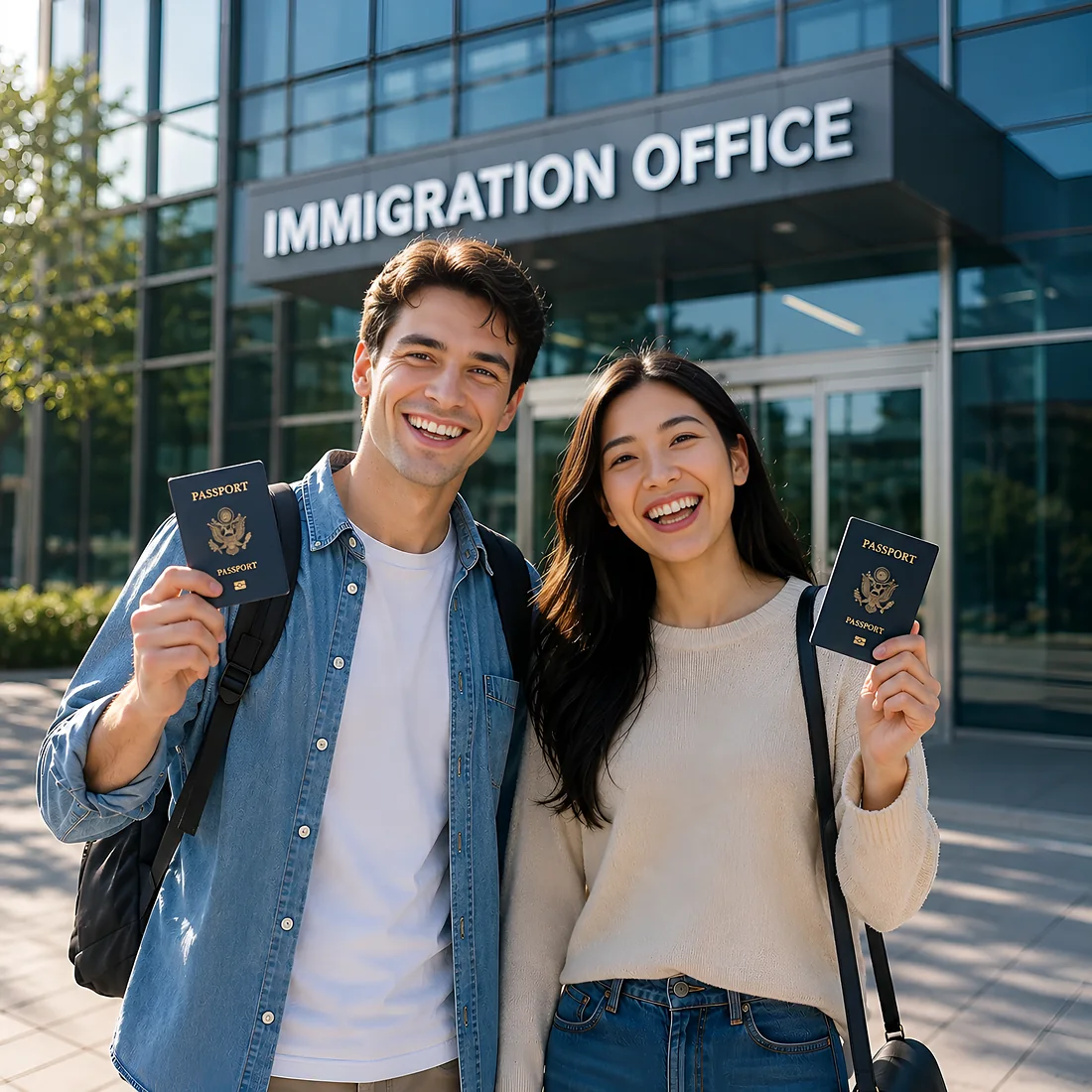
When a person becomes subject to an entry ban because of a violation of law, unlawful stay or deportation, both entry into South Korea and visa issuance are blocked for the period of the ban. Many people assume that they can return once the period has passed, but in practice that is not the case.
Even while a ban remains in force, if the reasons why entry to Korea is necessary are explained in a way that convinces the Minister of Justice and the embassy or consulate, the ban may be lifted and the way to entry may open.
In practice, many foreign nationals try to have an entry ban lifted, but a considerable number are refused because of inadequate preparation. Lifting an entry ban depends not on how desperate the appeal is, but on how clearly the humanitarian grounds are set out as facts. Drawing on 25 years of establishing the facts of cases in the Korean prosecution service, including the Supreme Prosecutors' Office, and on experience handling many entry ban cases, we identify the most suitable grounds for the client and prepare them in a form the embassy or consulate and the Ministry of Justice can review.
Where is the decision made? Embassies, consulates and the Ministry of Justice
A request to lift an entry ban starts at a Korean embassy or consulate abroad and ends with a decision by the Minister of Justice. The Minister of Justice makes the final decision.
- Submission to the overseas mission: the visa application documents and a written request to lift the entry ban are submitted together to the competent embassy or consulate
- Referral to the Ministry: if the consul considers that there are grounds to lift the ban, the matter is referred to the Minister of Justice
- Ministry review: the Ministry of Justice reviews humanitarian need, risk of reoffending and other factors as a whole and makes the final decision
Conditions for lifting an entry ban
To have an entry ban lifted, clear requirements must be met. Typical conditions considered by the Ministry of Justice are as follows.
F-6 marriage visa: in practice the strongest and most realistic ground for lifting a ban. Marriage to a Korean national is the strongest and most realistic ground for lifting an entry ban. The need for a married couple to build a family life together is the factor that overseas missions and the Ministry of Justice weigh most heavily.
In practice, a large share of requests to lift entry bans proceed together with an F-6 marriage visa, and our work also focuses on cases where the ban is lifted through the marriage visa. However, the genuineness of the marriage, how the relationship developed and the humanitarian grounds must be adequately supported by objective records.
Serious humanitarian need and economic or social contribution are also cited as conditions. However, these are much harder to have accepted in practice than family reunification grounds involving Korean family members, such as a marriage visa. For some nationalities in particular, such as China, Vietnam, Thailand, Mongolia and Central Asian countries, entry is often still restricted after the ban period has ended, so personal circumstances and humanitarian grounds must be proved even more specifically.
Conditions considered by the Ministry of Justice
| Condition | Details |
|---|---|
| Korean family members | The need for family reunification, including caring for a Korean spouse or parent, or raising a Korean child |
| Serious humanitarian need | Urgent and unavoidable circumstances, such as treatment for a serious illness or a family member in critical condition |
| Economic or social contribution | Potential contribution through investment, business operation, research or international exchange |
| Remorse and prevention of reoffending | Material showing sincerity, such as letters of remorse, petitions and community service |
The ultimate purpose of lifting an entry ban is visa issuance.
Lifting an entry ban is not an end in itself but a step towards obtaining a visa and entering Korea. Lifting the ban and visa issuance should therefore be prepared as one process.
- Marriage visa grounds: the request to lift the ban proceeds together with the F-6 marriage visa application (see 4-5 for details)
- Other visas: issuance of the relevant visa after the ban is lifted, and the strategy for staying after entry, are considered together
If you have not yet left, reducing the period of the ban matters.
If you are at the deportation or departure order stage and have not yet left, the length of any future entry ban can vary depending on how you respond in advance, for example in the immigration violation review or through voluntary departure.
- Responding to the immigration violation review: a thorough account of the circumstances of the violation and mitigating factors can affect the length of the ban
- Paying the immigration penalty (beomchikgeum): leaving without paying it can put you at a serious disadvantage, so be sure to pay before leaving
- Using voluntary departure: obtaining a deferral of the entry ban gives a much more favourable starting point for seeking to have it lifted later
Roles of the immigration agency and partner lawyers
Lifting an entry ban is handled as a complete administrative process, from organising the grounds to the application at the embassy or consulate and the Ministry of Justice review.
- You have married a Korean spouse and want to enter on a marriage visa, but an entry ban is in place
- You left after a past deportation or violation of law and cannot re-enter because an entry ban remains
- You applied for a visa at an overseas mission but issuance was refused because of an entry ban
- You need to enter for family reunification with a Korean spouse, child or parent
- The ban period has passed but entry is still restricted
- You face a deportation or departure order and want to reduce the length of the entry ban
What we deliver
- A written request to lift the entry ban and the related visa application documents, prepared around the humanitarian grounds most favourable to the client
- A consistent response from the application at the overseas mission and the Ministry of Justice review to the issuance of a marriage visa or other visa
- An entry ban strategy designed on the basis of 25 years of investigation experience in the prosecution service
Entry ban removal work is carried out by a Ministry of Justice–registered immigration agency separately operated by Dr. Jeong-Beom Jang, lawfully and on the basis of its registration. This service aims to set out the humanitarian grounds and the need for entry, prepare the written request to lift the ban and supporting submissions, and provide support up to the application to the overseas mission and the Ministry of Justice review, based on materials the client provides or can lawfully obtain and on public records. Administrative appeals against a refusal are handled by the same agency. Administrative litigation, and other matters requiring legal judgement, are handled by independent partner lawyers or law firms. Neither KORVEN nor the agency is a law firm.
If an entry ban has closed the way to Korea, the possibility of having it lifted should be reviewed first.
All enquiries are handled in confidence and reviewed by Dr. Jeong-Beom Jang. We provide an initial response within two business days.
Enquire about lifting an entry ban →